Natural light can transform the way a home feels and functions. With the right skylight placement, dark corners can become brighter, artificial lighting use can be reduced and indoor spaces can feel more connected to the outdoors. For homeowners considering skylights in Central Coast properties, Skydome Hunter Coast looks at how the right placement can brighten kitchens, open up living areas and bring useful daylight into darker internal spaces.
This article explores the best locations throughout a home to consider for a skylight and the practical factors that influence those choices. The right position depends on the room layout, roof structure, sun direction, ventilation needs and how the space is used each day. Understanding these considerations helps create skylight placements that improve comfort, energy efficiency and long-term value while complementing the overall layout of the home.
Hallways, Stairwells and Internal Walkways
Hallways and stairwells are often the darkest circulation spaces in a home, yet they are used constantly throughout the day. A well-placed skylight can transform these narrow, enclosed areas into bright, inviting links between rooms, improving safety and comfort.
Skylights in internal walkways are especially useful in homes where external windows are limited or where wall space is needed for storage, artwork or privacy. Bringing light in from above allows the vertical surfaces to remain usable while still creating a stronger sense of openness and flow.
Positioning for Safety and Visual Comfort
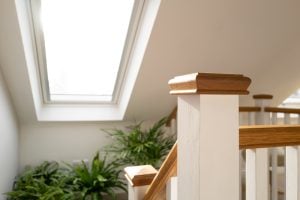
In stairwells, the main goal is safe visibility on each tread without creating glare. A skylight is best positioned directly above the central run of stairs or slightly offset above the landing to spread light more evenly. If the skylight is placed too close to the top or bottom of the stairs, it can create bright patches and shadows that make depth harder to judge.
In long hallways, a series of smaller skylights or tubular skylights spaced along the ceiling often provides better light distribution than one large opening at one end. This helps prevent dark patches between fittings and gives the hallway a more balanced appearance.
To reduce glare and heat transfer in coastal NSW conditions, diffused glazing or an integrated diffuser panel is often a good choice. This softens the daylight, prevents harsh hotspots on floors and walls and helps maintain a more comfortable indoor temperature during warmer months.
Working Around Roof Structures and Services
Hallways and internal walkways usually sit in the central part of the floor plan, where roof framing and services can be more complex. Careful planning is needed so the skylight shaft can be routed around rafters, trusses, electrical cables, ductwork and plumbing.
Tubular skylights are often the most practical solution in these locations. Their small roof footprint and flexible reflective tubing can be installed through tighter roof spaces to bring daylight into internal corridors that do not sit directly below an ideal roof position. In pitched roofs, the roof dome is often placed where it can capture useful daylight, while the tube is directed to the ceiling position below.
Where a full rectangular skylight is preferred, the opening should be positioned between existing rafters where possible to reduce structural modification. In two-storey homes, a vertical light shaft may need to pass through an upper-floor robe, linen cupboard or service zone to reach a ground-floor hallway. This is easiest to plan during a renovation or new build.
Enhancing Layout, Privacy and Energy Efficiency
Skylights in passageways free up wall space that would otherwise be needed for windows. This is useful where privacy from neighbouring properties is a concern or where walls are needed for storage, artwork or acoustic separation.
Daylit hallways can also reduce reliance on artificial lighting during the day. In homes with several internal corridors, this can make a noticeable difference to everyday convenience. Pairing a skylight with sensible light switching, sensors or dimmable lighting helps ensure electric lights are only used when natural light levels drop.
In coastal climates, skylight components should be suited to the conditions. Corrosion-resistant materials, correct flashing and proper waterproofing around the roof opening are essential, especially over stair voids or internal walkways where water ingress can be disruptive and costly to repair.
Bathrooms, En-Suites and Laundries
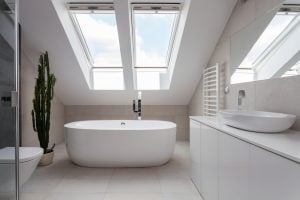
Bathrooms, en-suites and laundries are some of the most effective rooms to upgrade with a skylight because they often have poor natural light and higher moisture levels. A well-positioned skylight can brighten these spaces during the day, reduce reliance on artificial lighting and help manage humidity when combined with effective ventilation.
These rooms often sit in the middle of the home with limited or no external walls. A skylight can deliver daylight from above where traditional windows are not practical or would compromise privacy. The key is choosing the right skylight style and placing it where it provides useful light without creating glare, excess heat or condensation problems.
Managing Privacy and Moisture
Privacy is one of the biggest advantages of using a skylight in bathrooms and en-suites. Because the light source sits overhead, it can brighten the room without exposing the interior to neighbouring properties. Frosted or diffused glazing is usually preferred because it softens the light and obscures views both in and out.
Moisture control is just as important. A fixed skylight with effective mechanical extraction may be suitable for many bathrooms, but rooms with higher humidity may benefit from an opening or ventilated skylight. This can help release steam, reduce condensation on mirrors and walls and support better airflow when used alongside an appropriate exhaust system.
Frames, trims and surrounding finishes should also be suitable for wet areas. Moisture-resistant materials, proper sealing and correct flashing reduce the risk of long-term water damage.
Positioning for Light Without Overheating
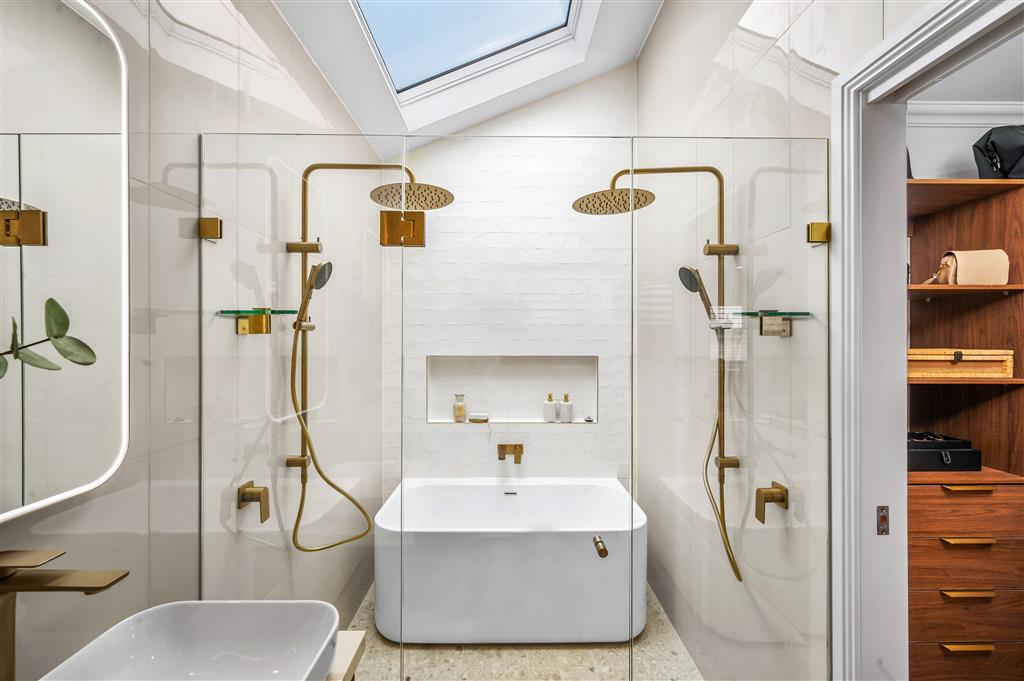
Placement over circulation zones, such as between the vanity and shower, usually provides balanced light across the room. A skylight near the vanity can improve visibility for grooming, but placing it directly above a mirror may create glare or harsh shadows. Diffused glazing or a shaped light shaft can soften the light and create a more comfortable result.
Aspect also matters. North- and west-facing roof planes can admit strong heat during warmer months, particularly in coastal and Hunter regions. In these situations, solar control glazing, internal blinds or a diffused shaft design can help maintain comfortable temperatures. South- or east-facing roofs usually provide softer, more consistent light, which can suit bathrooms used early in the day.
Skylights in Laundries
Laundries benefit from natural light because tasks such as sorting colours, checking stains and folding clothes are easier in daylight. A skylight over the main bench, trough or work area can brighten the space and reduce the need to switch on lights during the day, especially in internal or semi-enclosed laundries.
Where laundries also function as mudrooms or storage spaces, a skylight can make the area feel larger and less confined. Ventilated skylights can also be useful where dryers or poor airflow contribute to extra heat and moisture. Durable finishes around the skylight, such as moisture-resistant paint and properly sealed trims, help keep the area clean, bright and practical.
Kitchens and Main Living Areas
Kitchens and main living areas are often the most rewarding places to install a skylight because they are used daily and benefit greatly from extra natural light. A well-placed skylight can brighten dark benchtops, reduce reliance on artificial lighting and create a more open, welcoming feel.
To achieve the best result, the skylight must suit the room layout and orientation. Placement, size, glazing type and ventilation all need to be considered so the space gains useful daylight without unwanted heat, glare or privacy issues.
Skylights in Kitchens
A skylight works well when positioned above key work zones, such as the island, sink or main preparation bench. This brings daylight where it is needed most and reduces shadows caused by overhead cabinets, rangehoods or deep room layouts. For narrow galley kitchens, a long rectangular skylight centred over the walkway can transform a dim space into a brighter and more functional kitchen.
Ventilation is also important in kitchens. A manually or electrically opening skylight can help release steam, cooking odours and excess heat that build up during busy meal times. This can also help reduce condensation on walls and ceilings.
Glazing should help control heat and glare. Diffused, tinted or solar-control glazing can soften harsh midday sun and prevent strong reflections from bouncing off benchtops. In kitchens with light-coloured stone, glossy cabinetry or reflective splashbacks, positioning the skylight slightly away from the most reflective surfaces can improve comfort without reducing the benefit of daylight.
Skylights in Open-Plan Living and Family Rooms
Main living areas tend to be larger, so one central skylight is not always enough. Two or more smaller units spaced across the room often provide more even lighting than a single large opening. Positioning them in line with seating areas, walkways or darker corners can help the whole space feel balanced.
Orientation to the sun is critical. North-facing skylights provide strong, consistent light but may need quality glazing or shading to manage summer heat. East-facing units capture bright morning sun, which suits family rooms used early in the day. West-facing units can require additional shading, such as internal blinds, to control late afternoon heat.
In rooms used for television or media, the skylight should be placed carefully to avoid screen glare. Positioning it behind the main seating area, closer to the room perimeter or away from the screen wall can make the space more comfortable. Integrated blinds or shades also provide extra control during very bright days.
Architectural Features and Ceiling Types
Cathedral or raked ceilings are ideal for skylights because the slope helps distribute light deeper into the room. On flat ceilings, a light well can be shaped and painted in a light colour to carry daylight more effectively and reduce strong contrasts.
Framing alignment is also important. Locating the skylight between rafters or trusses can minimise structural changes and help control installation costs. The skylight should also be considered in relation to ceiling beams, bulkheads, pendant lights and other design features so the room feels cohesive rather than cluttered.
Walk-In Robes, Pantries and Storage Areas
Walk-in robes, pantries and storage areas often sit inside the home with little or no access to external windows. These smaller spaces can feel dark and enclosed, even when the rest of the home has good natural light. A compact skylight or tubular daylighting system can make them easier to use without taking up valuable wall space.
Correct sizing and placement are especially important in these rooms. The goal is not always maximum brightness, but even, practical light that reaches shelves, hanging rails, drawers and benchtops without creating glare or heat build-up.
Walk-In Robes: Better Visibility and Colour Accuracy
Walk-in robes need even light that makes it easy to distinguish colours and find items quickly. A small to medium skylight or sun tunnel positioned centrally usually gives the best spread of light across shelves and hanging rails.
Avoid placing the skylight directly above a mirror, as this can create harsh reflections. Positioning it slightly towards the door side of the robe can provide a softer wash of light across clothes and shoes. For wardrobes with tall cabinetry or sliding doors, a tubular skylight with a diffusing ceiling lens can help push light deeper into the space rather than concentrating it directly below the roof opening.
Pantries: Light for Shelves and Food Storage
In pantries, the goal is strong functional light that makes it easy to read labels, check expiry dates and see to the back of shelves. A single well-placed skylight can reduce the need for a ceiling light during the day, which is helpful in deep walk-in pantries.
The skylight should be positioned to illuminate the shelving runs rather than simply the centre of the floor. In long, narrow pantries, this may mean offsetting the skylight towards the main shelving side. A wide-angle diffuser can also help reduce shadow pockets behind tall items, appliances or storage containers.
Because pantries store food, heat control is important. Tinted or low-solar-gain glazing can help keep the space cooler in summer while still providing useful daylight. Operable skylights are rarely necessary in standard pantries, although ventilation may be worth considering if the space contains a fridge, freezer or small appliances that generate heat.
Storage Nooks and Internal Utility Spaces
Small storage nooks, linen cupboards and internal utility areas can also benefit from daylight, particularly when they are used frequently. A compact tubular skylight can make these spaces easier to navigate without requiring a large roof opening.
Placement should focus on the area where light is most useful, such as shelving, benches or access points. Where overhead space is limited, a tubular system with a flexible shaft may be more practical than a larger skylight. Diffused light is usually preferable in these compact rooms because it spreads brightness more evenly and avoids harsh contrast.
Rooms Where a Skylight May Not Be the Best Option
Not every room benefits from a skylight. In some spaces, a roof window can create more problems than advantages. Understanding where skylights are less suitable helps avoid costly alterations and disappointing results.
Before cutting into the roof, it is important to think about how the room is used throughout the day, what sits above the ceiling and how much control is needed over light and heat. In certain rooms, alternative daylight options may perform better.
Bedrooms That Need Temperature Control
Bedrooms are not always ideal locations for skylights, especially when occupants prefer very dark sleeping conditions or work night shifts. Even with blinds or shades, some early morning light may still enter around the edges, which can disturb sleep.
Skylights can also introduce extra solar gain. A bedroom under a dark roof can heat quickly once the sun hits the glass. Without high-performance glazing, proper insulation and suitable shading, the space may feel warmer by late afternoon or evening.
Noise is another practical issue. Heavy rain on a skylight can be noticeably louder when the unit sits directly above a bed. This does not mean skylights should never be used in bedrooms, but placement, glazing and shading need careful thought.
Media Rooms and Home Offices
Media rooms and home theatres rely on predictable low light levels. A skylight can produce a bright shaft of daylight that washes across screens and reflective surfaces. Even with blinds, minor light leaks can reduce contrast and affect the viewing experience.
Home offices can also suffer when daylight arrives from directly overhead. Light that falls onto computer screens rather than work surfaces can cause eye strain and constant monitor repositioning. Where an office sits below the roof plane, a smaller tubular skylight with diffusers or baffles may be a better option than a large skylight. High-level vertical windows may also provide more controlled daylight in some layouts.
How to Choose the Best Position for a Skylight
Position determines how much light a skylight brings in, how comfortable that light feels and how well the unit performs over time. Good placement balances daylight, heat control, privacy and roof structure so the skylight improves the room instead of creating glare or unwanted heat.
When planning a skylight, first decide what the room needs most. Some rooms need brighter task lighting, while others need ventilation, a greater sense of space or softer background light. The best location should then be matched to the roof access, sun direction and layout of the room below.
Consider the Sun’s Path and Orientation
Orientation has a major impact on brightness and heat gain. In many homes, a north-facing skylight provides strong, consistent light and can add welcome winter warmth, but it may need shading or high-performance glazing to reduce summer heat. East-facing positions capture morning light and soften later in the day. West-facing skylights collect hotter afternoon sun and may need tinted glazing, blinds or careful placement away from seating areas. South-facing placements generally provide softer, more even light with less heat gain.
It is also important to consider when the room is used most. A kitchen used mainly at breakfast may benefit from eastern light, while a family room used in the late afternoon may feel more comfortable with southern light or a carefully shaded northern placement.
Match Skylight Location to Room Layout
The best indoor position focuses light where it will be most useful without causing glare. Over a kitchen island, hallway, bathroom circulation zone or internal walkway usually works well. Avoid placing a skylight directly above TV screens, computer desks or mirrors where reflected light can be harsh.
For long, narrow spaces such as corridors, multiple smaller skylights or tubular skylights spaced along the length often provide more even light than one large opening. In bedrooms, if a skylight is used, positioning it closer to a dressing area or doorway rather than directly above the bed can help preserve sleep comfort while still brightening the space.
Assess Roof Structure and Practical Constraints
The ideal indoor location must also align with a practical roof position. Trusses, rafters, plumbing vents, air conditioning units, wiring and ductwork may all limit where a skylight can be installed. The distance between roof trusses often dictates the maximum skylight width. If the preferred ceiling position does not match the best roof bay, an angled light shaft may be possible, but this can increase cost and installation complexity.
Roof pitch also matters. Most skylights have recommended pitch ranges to allow proper drainage. On low-pitch roofs, a raised kerb frame may be needed to help water run off correctly. Skylights should also be kept away from areas where water, leaves or debris naturally collect, such as below higher roof junctions or close to large overhanging trees, unless regular maintenance is easy.
Choosing the best position for a skylight is never a one-size-fits-all decision because every room, roofline and home layout performs differently. The right location should balance natural light, heat control, privacy, ventilation and the practical limits of the roof structure above.
Careful positioning is essential to maximise natural light while reducing the risk of glare, heat gain, leaks and poor light distribution. With proper planning and professional installation, skylights can brighten dark interiors, reduce reliance on artificial lighting and make everyday spaces feel more open and comfortable. For Central Coast homes, considering local climate, roof exposure and corrosion resistance also helps ensure the skylight performs well for years to come.