Windowless rooms and long internal hallways are common in many Australian homes and commercial buildings, particularly in older properties or those on narrow blocks. Without natural light these spaces often feel dark, cramped and uninviting, which can affect comfort, energy use and even property value. Skydome Hunter Coast specialises in transforming these areas with carefully selected skylight solutions that bring daylight deep into the building without major structural changes. In this article our team explores how different types of skylights perform in windowless rooms and corridors and how the right choice can dramatically improve the way these spaces look and feel.
Readers will learn which skylight systems work best in tight or enclosed areas, including traditional roof skylights on the Central Coast, modern tubular daylighting systems and custom configurations for awkward layouts. Skydome Hunter Coast will also discuss key considerations such as roof orientation, thermal performance, glare control, privacy and compliance with Australian climate conditions and building standards. By the end, property owners, designers and builders will understand the practical options available, the typical installation approaches and how professional skylight design can convert gloomy interior zones into bright functional spaces that are comfortable throughout the day.
When Skylights Are the Most Effective Solution for Windowless Spaces
Skylights are not the right answer for every dark area, but in certain windowless rooms and hallways, they outperform artificial lighting and wall windows. Skydome Hunter Coast often recommends skylights when the goal is to bring in strong natural light, reduce daytime power use and make a tight space feel more open without major structural changes.
They are especially effective in single-storey homes or top-floor areas with direct roof access where running electrical and ventilation alterations would be complex or expensive. In these situations a well-designed skylight or tubular skylight can turn a gloomy internal zone into a comfortable, usable part of the home.
Internal Rooms With No External Walls
If a room has no access to an outside wall, a conventional window is not an option. This is common in:
- Internal bathrooms or ensuites
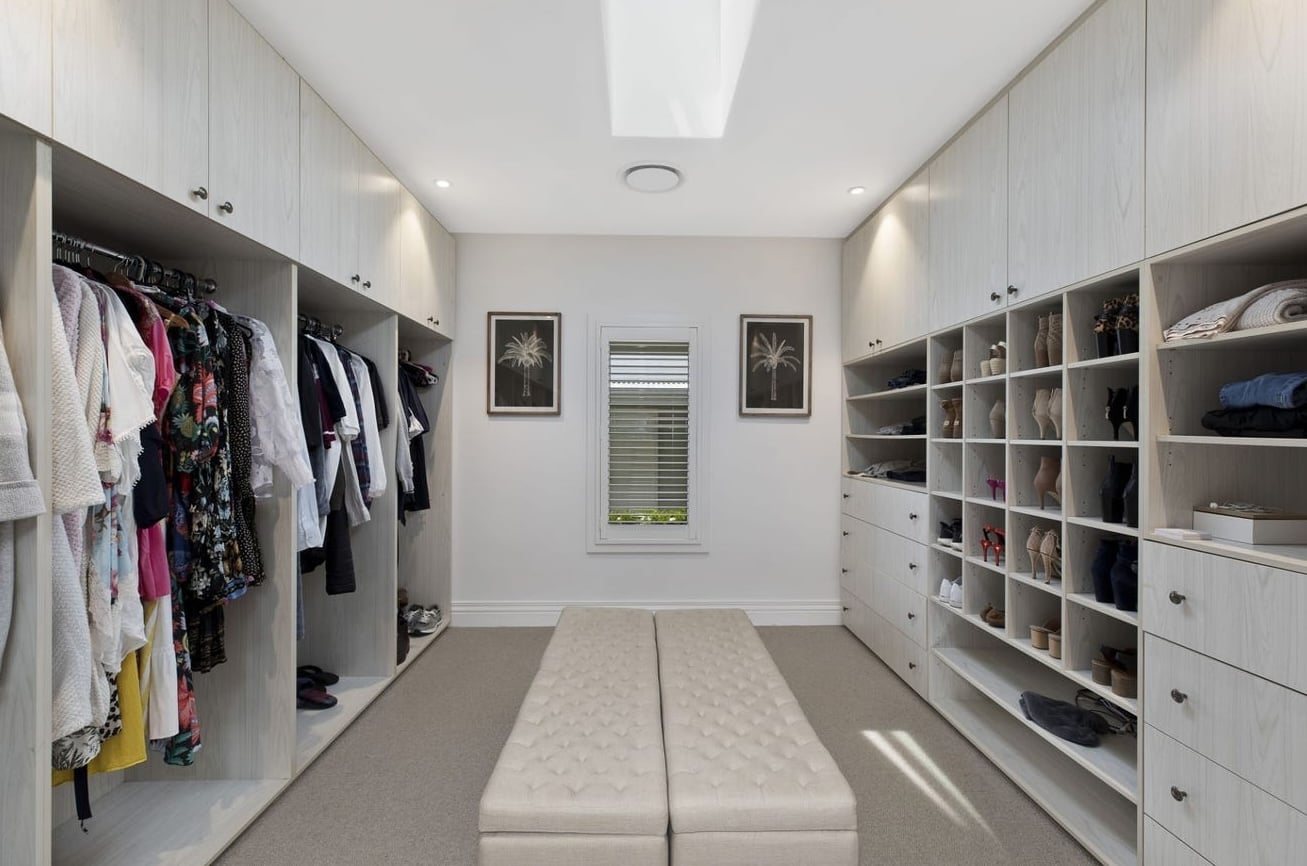
- Walk-in robes
- Pantries or storage rooms
For these spaces a skylight or tubular skylight is often the most practical source of daylight. A compact skylight can provide enough natural light to eliminate the need for artificial lighting for most of the day. In bathrooms, professional skylight installers may specify a skylight with high-performance glazing and appropriate ventilation so moisture can escape through an exhaust fan while light enters through the roof.
Long Hallways and Corridors
Long narrow hallways tend to feel enclosed and can require multiple light fittings to be safe and welcoming. Where a hallway runs under a roof area, skylights can be placed at intervals to create a consistent band of daylight along the length of the corridor.
Tubular skylights are often ideal in this situation because the roof penetration can be small and the light tube can be routed around framing or ductwork. Professional skylight installers can space these units so that light spreads and overlaps, which avoids bright patches and dark gaps. This approach usually reduces the number of ceiling lights needed and can improve wayfinding for children and older occupants during the day.
Rooms With High Daytime Use and High Energy Costs
Rooms that are used heavily during the day benefit most from skylights because the power savings add up quickly. Home offices, kitchens and playrooms that sit in the middle of a floor plan often rely on artificial light from morning to evening.
In these areas a larger traditional skylight or multiple smaller units can flood the room with daylight, which supports concentration and comfort. Licensed skylight installers consider roof orientation and pitch to capture stable light without excessive heat gain, then select glazing and blinds to suit the local climate. When the right product is matched to a frequently used windowless space, the result is lower energy bills and a room that feels more connected to the outdoors.
The Most Effective Skylight Options for Windowless Rooms and Hallways
When a room or hallway has no external windows, the right skylight can completely change how it feels and functions. The aim is to bring in consistent natural light without overheating the space or creating glare that makes it uncomfortable to use. Skylight installers focus on options that work in tight internal corridors, small bathrooms, walk‑in robes and central rooms that sit far from the external walls.
For these tricky areas the most effective solutions are usually compact skylights that deliver strong light to a specific area or systems that transport daylight from the roof to a room deep inside the home. Choosing the best option depends on roof type, ceiling height, room size and whether privacy or heat control is a concern.
Tubular Skylights for Narrow Hallways and Small Rooms
Tubular skylights are often the most practical choice for windowless hallways, internal toilets, laundries and walk‑in wardrobes. A small dome or flat collector is installed on the roof, then daylight is channelled through a highly reflective tube to a diffuser in the ceiling below. This design delivers a surprising amount of light while taking up very little ceiling space.
Because the tube can bend, tubular units are ideal where the hallway or room is not directly under the roof opening. They also minimise heat gain compared with large skylights, which helps keep compact areas more comfortable. For long internal corridors, skylight experts can install multiple tubes spaced along the hallway to remove dark patches and create an even path of light through the home.
Rectangular Skylights for Larger Windowless Rooms
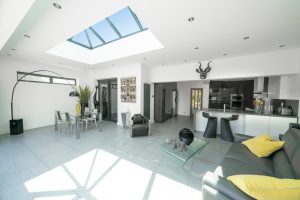
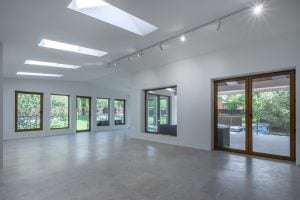
Where a central living room, home office or internal bedroom has no external window, a larger rectangular skylight can make the space feel open instead of enclosed. Fixed skylights are the most common choice in these rooms, as they provide strong overhead light without the complexity of moving parts. The glazing can be selected for thermal performance, such as double glazing or tinted glass, to control heat and glare.
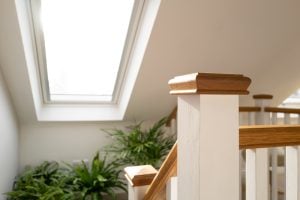
Positioning is critical. Placing the skylight closer to the room’s main activity zone, such as above a desk, dining table or seating area, gives the best result. In multi‑level homes, licensed installers can often align a skylight over a stair void so that light spreads both to the upper landing and the lower hallway, which is especially useful where both levels lack windows.
Roof Windows and Ventilating Skylights for Enclosed Wet Areas
In windowless bathrooms, ensuites or laundries, ventilation is just as important as daylight. Ventilating skylights or roof windows that can be opened allow steam and odours to escape while also brightening the space. These can be manually operated or fitted with electric or solar controls so the sash can be opened at the touch of a button even in high ceilings.
Using frosted or obscure glazing maintains privacy while still allowing generous light into the room. Where roof access is difficult, Skydome Hunter Coast recommends models with rain sensors so the skylight will close automatically if a shower passes over the Hunter or Central Coast region while the homeowner is away.
Key Planning Factors That Influence Skylight Performance
Before choosing a skylight for a windowless room or hallway, it is essential to understand what will affect light levels, heat and day‑to‑day comfort. The right product in the wrong position can underperform or cause glare and overheating. Professional installers help homeowners balance these factors so the skylight works for the space all year round.
Good planning considers the roof, the room below and how the household actually uses that room. Orientation, climate shaft design and glazing choice all work together. Getting these details right at the start usually delivers better results than simply choosing the largest skylight that will fit.
Roof Orientation and Local Climate
On the Hunter Coast the sun path and coastal conditions strongly influence skylight performance. North-facing roofs capture the most consistent light, which is ideal for rooms that feel dark all day. East-facing areas give bright morning light that suits kitchens and bathrooms used early in the day. West-facing roofs can produce strong afternoon heat, so Skydome Hunter Coast often recommends smaller units or higher-performance glazing here. South-facing roofs provide softer, more even light, which is perfect for hallways or studies where glare control matters.
Local climate also matters. Coastal areas with high humidity and salt exposure benefit from corrosion-resistant frames and flashings. Hot summers increase the importance of insulated glazing and well-sealed shafts so the skylight adds light without unwanted heat gain. In cooler inland areas, high-performance diffusers and double glazing help reduce heat loss at night.
Room Layout and Light Distribution
The size and shape of the room below the roofline determine how light spreads. Long narrow hallways usually need multiple smaller skylights spaced along the ceiling rather than one large unit at one end. In a square internal room a centrally located skylight often gives the most even coverage.
Ceiling height is another key factor. High ceilings allow light to spread more broadly before it reaches eye level, which can reduce glare. In low ceilings, licensed skylights often specify diffused domes or lenses to soften light and avoid bright hot spots directly beneath the opening.
Skylight Shaft Design and Glazing Choice
For most windowless rooms the skylight is connected to the ceiling by a shaft. The length, shape and finish of this shaft have a big impact on performance. Short straight shafts transmit more light than long or sharply angled ones. A shaft lined with a smooth, light-coloured surface will bounce more light into the room compared to a dark or rough finish that absorbs it.
Glazing and diffuser selection are just as important. Clear domes bring in maximum brightness but can create strong contrasts in media rooms or small ensuites. Opal or prismatic diffusers spread light more evenly, which suits bedrooms and hallways. Where heat control is a concern, Skydome Hunter Coast recommends insulated glass or high-performance acrylic that reduces solar heat gain while still delivering good daylight levels.
Choosing the right skylight solution for a windowless room or hallway is ultimately about balancing light, comfort, efficiency and aesthetics in a way that genuinely improves how the space is used day to day. Throughout this article, we’ve looked at how different skylight types; fixed, opening, tubular, custom architectural units and smart daylighting systems, each answer specific challenges such as limited roof access, privacy, heat gain and awkward layouts.
We’ve also addressed practical considerations like compliance with Australian standards, bushfire and coastal conditions, watertight installation and long-term maintenance. From simple tubular skylights that transform dark corridors to larger feature skylights that become the centrepiece of a living space, the goal is always the same: to bring in as much natural light as possible without compromising on energy efficiency, durability, or the integrity of the roof. By carefully assessing each room, understanding the constraints of the building and selecting the most suitable system, a windowless area can be turned into one of the most inviting and functional parts of the home, while adding tangible value and long-lasting comfort.