Choosing the right skylight for a coastal home is very different from choosing one for an inland property. Salt-laden air, intense UV exposure, high winds and heavy rain all place extra stress on roofing materials and fittings. At Skydome Hunter Coast, the impact of poor product selection or substandard installation is often seen in the form of corrosion, leaks, heat gain and costly repairs. This article explores which skylight materials, designs and glazing options stand up best in coastal conditions, and how proper installation and maintenance help protect both the skylight and the home beneath it.
The materials, glazing and installation details used in a skylight all play a major role in how well it performs in coastal conditions. This article looks at how marine-grade components, suitable flashing systems and the right glazing choices help protect against corrosion, weather intrusion and excess heat, while still bringing in natural light and ventilation. It also outlines the differences between acrylic and glass units, fixed and opening skylights, and roof windows so homeowners, architects and builders can make more informed decisions for coastal homes.
Why Coastal Conditions Matter When Choosing a Skylight
Coastal conditions place very specific stresses on a skylight that do not occur to the same degree inland. Salt-laden air, higher wind loads, intense UV exposure and sudden weather changes can quickly shorten the life of a poorly specified skylight. Choosing a skylight that is not designed for these conditions can lead to leaks, corrosion, cloudy glazing and frequent repairs.
For homes along the Hunter Coast, it is not enough for a skylight to simply look good. It also needs to cope with marine corrosion, strong winds that drive rain beneath flashings and higher humidity, while still supporting good insulation and indoor comfort. Understanding how each of these factors affects a skylight makes it easier to assess frame materials, glazing, fixings and installation methods.
Salt Air and Marine Corrosion
Salt in coastal air is one of the biggest differences between coastal and inland environments. Fine salt particles can travel well beyond the beachfront and settle on metal frames, screws, flashings and roof sheets. When moisture is added, the result is a highly corrosive environment that can quickly damage standard steel components.
For this reason, skylights in coastal areas should use materials that resist marine corrosion. Suitable options include powder-coated aluminium with marine-grade finishes, stainless steel fixings and compatible flashings. Inferior hardware can rust, swell or stain roof surfaces, which may eventually compromise waterproofing. In practice, this means that a product performing well inland may show visible corrosion within a few seasons near the coast if it has not been specified for marine exposure.
Wind Load, Rain and Watertightness
Coastal properties typically experience stronger and more gusty winds along with wind-driven rain. This combination increases the risk of water being forced under flashings or through weak points in the skylight frame. It also places extra pressure on the glazing and seals.
When selecting a skylight for coastal conditions, it is important to look for products tested and rated for high-wind environments. Useful design features include robust flashing systems compatible with local roof profiles, deep water channels and upstands to manage heavy rain, and high-quality gaskets and seals that resist hardening in harsh weather.
Along the Hunter Coast, sudden storms can move in quickly. A well-designed skylight maintains its seal under uplift and sideways wind pressure rather than relying only on sealant. Correct installation is just as important, as the skylight and roof need to work together as one weatherproof system.
UV Intensity, Humidity and Thermal Performance
Coastal regions often experience higher UV exposure, which can damage inferior plastics, sealants and interior finishes. Over time, this can lead to yellowing, brittle domes, cracked seals and fading around the skylight opening. UV-stable glazing and long-life sealants help maintain clarity and performance.
Humidity and temperature swings near the ocean also increase the risk of condensation forming on or around the skylight. If this moisture is not managed, it can stain plasterboard, encourage mould growth and affect timber framing. Skylights used in coastal homes therefore benefit from good thermal performance, including double glazing where suitable, insulated frames and correctly detailed light shafts to help limit condensation and heat gain.
Best Frame and Glazing Materials for Salt and UV Exposure
In coastal homes, the right frame and glazing materials can make the difference between a skylight that performs well for decades and one that pits, leaks or discolours within a few years. Salt-laden air, high UV levels and repeated exposure to wind and rain all accelerate wear, so material selection matters.
When comparing coastal skylights, corrosion resistance, UV stability and long-term sealing performance are generally more important than simply choosing the cheapest or most familiar option.
Corrosion-Resistant Frame Materials
For frames in coastal conditions, aluminium and uPVC are commonly among the most suitable options when correctly specified. Marine-grade aluminium with a high-quality powder-coated finish is one of the more reliable choices near the ocean. The coating acts as the main barrier against salt, so it is important to choose a reputable system designed for coastal use. Darker colours can show chalking sooner in harsh UV, so many coastal projects use mid- to light-toned finishes. Regular rinsing with fresh water can also help extend the life of the coating, particularly within 1 km of breaking surf.
uPVC frames are another strong option for coastal skylights. They do not rust and are not affected by salt in the same way as metals. Good-quality uPVC profiles contain UV stabilisers that help prevent brittleness and yellowing. For coastal projects, it is important to use systems tested for Australian UV conditions rather than low-grade plastics more suited to sheltered or interior use.
Traditional mild steel is generally unsuitable near the coast, even when painted, as corrosion often begins at cut edges and around fixings. Timber can still be used in some designs, but only where it is fully protected from weather exposure and maintained regularly with appropriate coatings.
Best Glazing Types for Harsh Sun and Salt
Glazing must cope with high UV levels, limit heat gain and resist surface damage from wind-blown salt and debris.
Double-glazed glass is usually the best all-round option. A toughened outer pane with a laminated inner pane offers good impact resistance and added safety. Low-E coated glass can significantly reduce solar heat entering the space while still allowing strong natural light. Salt deposits can also be cleaned from glass without scratching when fresh water and a soft cloth are used.
Polycarbonate can suit certain situations, such as lightweight roof structures or locations where high impact resistance is needed. However, it is more prone to surface scratching, and cheaper grades may yellow under intense UV. In coastal settings, only UV-stabilised multiwall or solid polycarbonate from established manufacturers should be considered, and even then it is worth recognising that it may show visible wear sooner than glass.
Seals, Fixings and Maintenance Considerations
Frames and glazing only perform well over time if the smaller components can also handle coastal exposure. Stainless steel fixings, UV-stable sealants and durable gaskets are all important. Inferior rubber seals can crack, shrink or harden under strong UV, which may lead to leaks and staining around the skylight opening.
Even with good materials, coastal skylights benefit from simple ongoing maintenance. Rinsing frames and glazing with fresh water several times a year helps remove salt build-up and can extend the life of coatings and seals, particularly on ocean-facing roofs.
Fixed vs Ventilated Skylights in Coastal Homes
In coastal homes, the choice between fixed and ventilated skylights affects comfort, durability and maintenance. Both styles can perform well near the ocean if they are properly specified and installed, but they suit different rooms and living patterns.
The most suitable option usually depends on site exposure, how much natural airflow the home already has and how much maintenance the owner is prepared to manage over time.
Fixed Skylights in Coastal Conditions
Fixed skylights are sealed units that do not open. In harsh coastal environments, this simplicity can be a major advantage. There are fewer moving parts exposed to salty air and fewer seals that need to remain watertight. With high-quality marine-grade flashings and compatible roof materials, a fixed unit can provide long-term daylight with relatively low maintenance.
Fixed skylights are often well suited to spaces that already have good cross ventilation, such as open-plan living areas or stairwells. They are also useful in hard-to-reach positions where operating a vented skylight would be impractical. On low-slope or highly exposed roofs, fixed units can reduce the risk of wind-driven rain entry because the frame remains permanently sealed.
From an energy perspective, a well-specified double-glazed fixed skylight can reduce the need for daytime lighting without significantly affecting thermal performance. In strong coastal sun, suitable glazing tints or diffusers may still be needed to control glare and summer heat gain, particularly on west- or north-facing roof slopes.
Ventilated Skylights and Salt Air
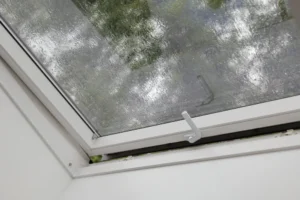
Ventilated skylights open to allow hot, stale air to escape, which can be especially useful in humid coastal climates. Installed high in kitchens, bathrooms and upper-storey voids, they can help remove warm, moist air and reduce the risk of condensation and mould.
However, ventilated units include moving hardware such as hinges, struts and opening mechanisms that need to withstand salt exposure over time. In coastal locations, this means corrosion-resistant hardware, high-quality weather seals and regular inspection become more important. Electric or solar-powered openers can also be useful for hard-to-reach areas, especially when paired with rain sensors that close the unit automatically during sudden showers.
Manual opening models can still work well in single-storey homes where the skylight is easily accessible and the owner is comfortable with occasional cleaning and maintenance of the mechanisms.
Choosing Between Fixed and Ventilated for Your Home
In many coastal homes, a combination of both types works well. Fixed skylights often suit living rooms, hallways and bedrooms that already have windows, while ventilated units can be more useful in wet areas or upper-level spaces where warm, humid air tends to build up.
Roof orientation, prevailing winds, room function and exposure all play a part in determining the most suitable arrangement. In very exposed locations, a greater reliance on fixed units supported by other forms of ventilation may offer a more durable long-term balance between daylight, airflow and weather resistance.
Preventing Leaks and Corrosion Through Proper Installation
Even a high-quality coastal skylight can fail prematurely if it is not installed correctly. In salty, wind-driven conditions, small gaps or poor fixings can quickly become leaks, ceiling stains and corrosion problems. Long-term performance depends not only on the skylight itself, but also on the way it is integrated into the roof.
Good installation begins before the unit arrives on site. Roof type, pitch, exposure to prevailing winds and proximity to the shoreline all influence how the skylight should be flashed, sealed and fixed. Attention to these details is what helps keep water out and metal components protected.
Choosing the Right Flashing and Sealants
Flashing is the first line of defence against leaks. For coastal roofs, custom-made flashings in marine-grade aluminium or Colorbond Ultra can perform well on metal roofs, while tile roofs may require high-quality uPVC or coated metal flashings suited to their specific profile.
These materials generally resist salt attack far better than standard mild steel. Flashings should be shaped and lapped so that water is directed around the skylight rather than towards it. Incorrect lap direction, poor detailing or over-reliance on sealant instead of mechanical laps is a common cause of leaks.
Sealants used in coastal conditions need to be UV stable, flexible and compatible with both the skylight frame and roofing material. Neutral-cure silicone and other high-performance roofing sealants are often preferred. Sealant should support the mechanical waterproofing system rather than act as the only barrier. A continuous, properly applied seal around flashing edges and corners is essential.
Fixings and Corrosion Control in Coastal Air
Fasteners are often among the first components to corrode near the ocean. For that reason, stainless steel or specialised coated screws and rivets are generally preferred, provided they are compatible with the frame, flashing and roof material. Mixing incompatible metals can create galvanic corrosion, so material compatibility should always be considered.
Penetrations through metal roofing need to be predrilled to the correct size and fixed with screws that include durable sealing washers. Over-tightening can distort washers and create leak paths, while under-tightening can leave gaps that allow water in under wind pressure.
Where possible, cut edges on metal roofing or flashings near the skylight should be treated or sealed to help reduce rust creep. It is also important to avoid grinding near finished roof surfaces, as hot metal filings can lodge on coatings and later rust, leaving stains.
Detailing for Wind-Driven Rain and Condensation
Coastal storms can push rain sideways into openings that may never leak inland. To reduce this risk, side flashings are often extended, back pans are carried further up the roof and exposed horizontal joints are minimised. Roof pitch should also be checked carefully to ensure the skylight model and flashing kit are suitable for that slope.
Inside the roof cavity, correct integration with sarking or roof membranes helps direct any incidental moisture away from plasterboard and framing. In humid coastal climates, condensation can also form on colder surfaces around the skylight opening, so insulation needs to be fitted neatly and ventilation paths maintained where required.
How to Choose the Right Skylight for Your Home’s Position and Climate
Choosing a skylight for a coastal home is not just about style or brightness. Roof pitch, home orientation and exposure to wind and salt all affect how a skylight performs and how long it lasts. Matching the skylight type and glazing to the specific conditions on site helps improve natural light without increasing the risk of leaks, overheating or rapid material deterioration.
Along the Hunter and Central Coast, many homes are exposed to strong southerlies, summer heat from the west and salt-laden air throughout the year. A well-chosen skylight needs to balance these factors by controlling heat gain and loss, managing glare and resisting coastal weather.
Match Skylight Type to Roof Orientation and Pitch
The position of a skylight on the roof affects how much light and heat it introduces. A north-facing skylight in the local climate can capture consistent daylight and useful winter warmth, making it a good option for living areas. East-facing units often suit kitchens, where morning light is welcome but late afternoon heat is less of a concern. West-facing skylights can cause overheating later in the day, so stronger solar-control glazing or a tubular skylight may be more suitable. South-facing skylights tend to provide softer, more even light with minimal heat gain, which can work well for bedrooms and studies.
Roof pitch also influences performance. On low-pitch or almost flat roofs, water remains around the skylight for longer, increasing the importance of the unit profile and flashing design. In these situations, a domed or raised skylight with a flashing kit designed specifically for the roof profile may provide better long-term weather resistance than a lower-profile alternative.
Consider Coastal Wind, Rain and Salt Exposure
Coastal homes often face strong wind gusts, sideways rain and constant salt spray. This means the frame and flashing system are just as important as the glazing. In homes directly exposed to the ocean, corrosion-resistant frames such as suitably finished aluminium or uPVC, stainless steel fixings and custom-formed flashings are typically better suited to the environment than standard components.
Wind-driven rain can also force water beneath poor-quality flashings. Site-specific factors such as wind direction, roof shape and nearby structures should be considered when choosing the skylight position. Areas affected by turbulence, such as behind high gables or parapets, may place extra stress on the installation.
Control Heat, Glare and Privacy for Comfort
Coastal light is often bright and can feel harsh during summer. Glazing choice therefore plays an important role in comfort. Double-glazed glass with a low solar heat gain coating can reduce heat transfer while still allowing good daylight. Tinted or diffused glazing can soften glare, particularly in bathrooms, hallways and other rooms where direct overhead light can feel stronger.
For bedrooms or media rooms, integrated blinds or shades may also be useful. In hotter parts of the Hunter region, a ventilating skylight can help release hot air trapped at ceiling level. Insect screens may also be worth considering where evening ventilation is desirable. When skylight type, glazing and accessories are matched carefully to the home’s position and climate exposure, the result is more likely to be comfortable, durable and efficient over the long term.
In coastal environments, skylight performance depends on more than appearance alone. Salt air, wind-driven rain, heavy UV exposure and humidity all place added pressure on frames, glazing, fixings, seals and flashing systems.
Choosing corrosion-resistant materials, suitable glazing and installation details designed for coastal exposure can significantly improve long-term durability and weather resistance. Factors such as roof orientation, pitch, ventilation needs and maintenance access also influence which skylight type will perform best.
When these elements are considered together, a skylight can provide reliable natural light, improved ventilation and strong long-term value in a coastal home.