Bushfires are a fact of life, and skylights must be selected and installed with that risk in mind, not just for light, but for safety. When designed correctly, skylights in Central Coast homes can deliver natural light and ventilation without becoming a weak point during ember attack or radiant heat exposure. At Skydome Hunter Coast, we regularly see how compliant materials, correct detailing and local knowledge make the difference between resilience and risk.
This guide is for homeowners, renovators and builders who want the benefits of skylights while living in bushfire-prone areas. Choosing the wrong skylight can compromise roof integrity and fire performance during a bushfire event.
This article explains how BAL ratings influence skylight selection, which glazing and frame materials perform best under bushfire conditions and how installation details like flashings, seals and ember protection improve fire resistance, giving you a clear framework for making safe, compliant and long-lasting skylight decisions.
How Bushfire Risk Influences Skylight Design and Performance
Bushfire risk directly shapes how skylights must be designed and installed in exposed areas. A skylight is not just a daylight feature; it is a penetration through the roof that must perform under extreme heat, wind pressure, smoke and ember attack. In bushfire-prone locations, skylights need to contribute to the roof’s overall fire resistance rather than becoming a weak point. Design decisions that work in low-risk environments may not be suitable once bushfire conditions are considered.
Skylights as Roof Openings in Bushfire Conditions
A skylight behaves very differently from standard roofing materials during a bushfire event. Radiant heat can distort materials, embers can lodge in small gaps and wind-driven pressure can force hot gases toward roof openings. Because of this, skylights must be treated as part of the building envelope rather than a standalone feature. Their performance depends on how well they integrate with the surrounding roof structure and sealing systems.
The Role of BAL Ratings in Skylight Design
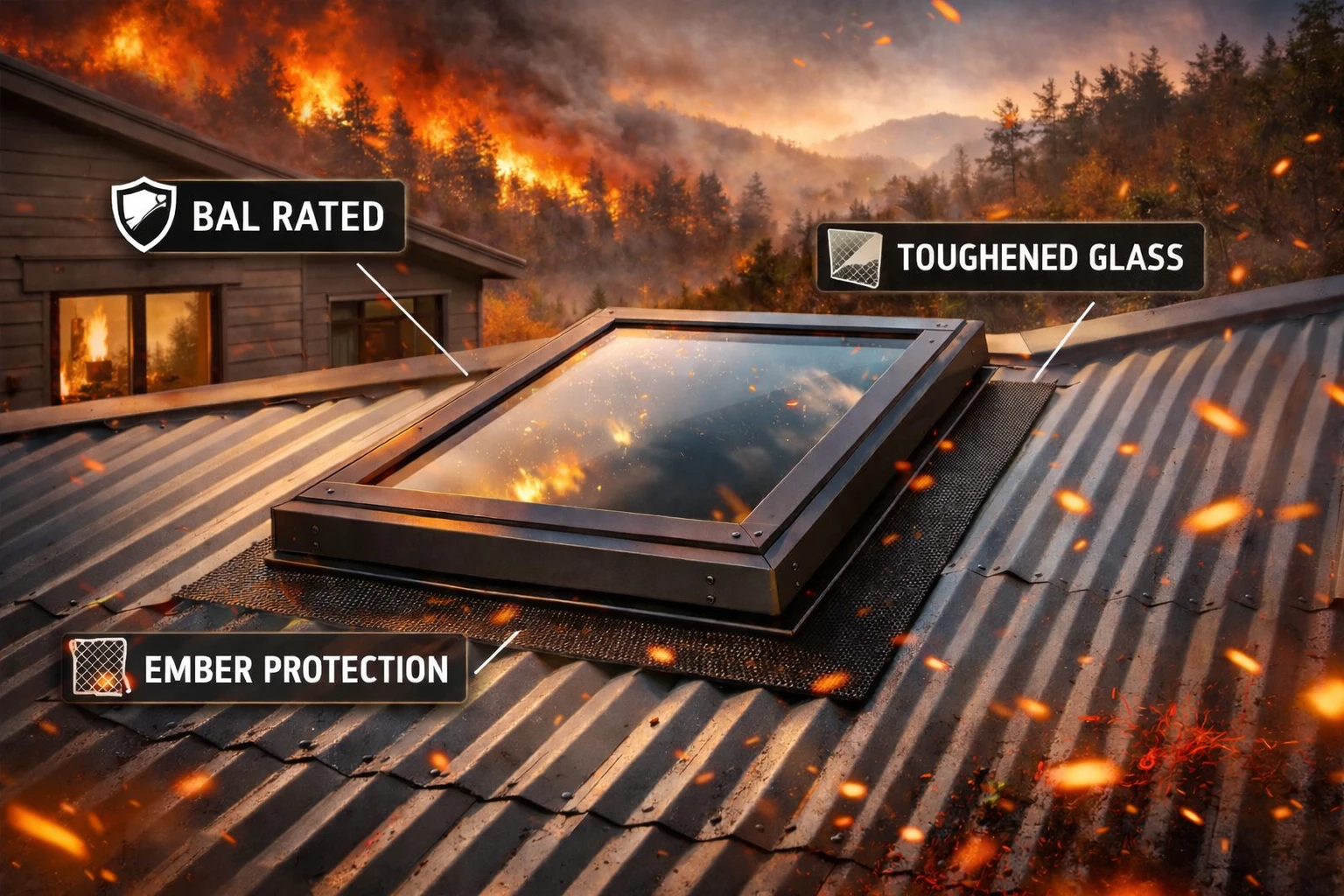
The home’s Bushfire Attack Level (BAL), assessed under AS 3959, sets the baseline requirements for skylight selection. Lower BAL ratings allow greater flexibility, but even then, skylights must still resist ember entry. As BAL levels increase, construction tolerances tighten and material performance becomes critical. Fixings, frames and seals must all work together to limit ember intrusion and heat transfer into the roof space.
Glazing Performance Under Radiant Heat and Ember Attack
Glazing choice has a significant impact on bushfire performance. Thinner plastics may soften, warp or crack when exposed to radiant heat or ember impact, creating openings that allow embers into the ceiling cavity. In higher-risk areas, thicker, impact-resistant glazing or toughened glass systems are often required to maintain integrity under stress. Preventing small failures is just as important as resisting full breakage.
Frames, Flashings and Sealing Details
The areas where skylights meet the roof are common points of failure if not detailed correctly. Poorly designed junctions can trap embers, particularly where roof sheets, battens and skylight frames intersect. Continuous flashing systems, fire-resistant sealants and tight tolerances help minimise gaps that embers can exploit. These components are not always visible once installed, but they play a major role in fire resistance.
Ventilation Features and Fire Risk
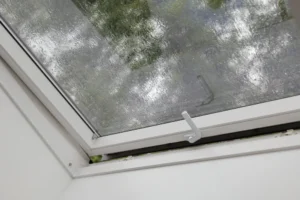
Ventilating skylights require additional scrutiny in bushfire-prone areas. While opening skylights provide everyday airflow, they also introduce moving parts that must seal reliably during extreme conditions. In higher BAL zones, fixed skylights or systems with robust closing mechanisms are often preferred. Seals, gaskets and hardware must remain functional under heat and strong winds to prevent ember entry.
Skylights as Part of the Home’s Fire Protection System
When bushfire risk is properly accounted for, skylights become part of the home’s overall protection strategy. Every design and installation choice should support that role. With the right materials, detailing and installation approach, skylights can deliver natural light while maintaining the roof’s fire resistance.
Choosing and Installing Skylights That Meet Bushfire Requirements
Selecting skylights for bushfire-prone homes involves more than choosing a product that looks good or provides strong daylight performance. Because a skylight is a roof opening, it must resist ember attack, radiant heat and wind pressure during a fire event. Compliance depends on both the skylight itself and how it is installed. Making the right decisions at this stage reduces the risk of non-compliance and helps ensure the skylight performs as part of the roof system rather than undermining it.
Confirming the Property’s BAL Rating
The first step in selecting a compliant skylight is confirming the property’s Bushfire Attack Level (BAL) under AS 3959. This assessment determines the minimum construction requirements for roof elements, including skylights. Homes in higher BAL zones require systems capable of withstanding increased radiant heat and ember exposure. Misunderstanding or overlooking the BAL can result in specifying a skylight that does not meet the required standard.
Selecting Compliant Skylight Types and Glazing
Not all skylights are suitable for bushfire-prone areas, even if they perform well in other environments. In higher-risk zones, skylights should be tested and rated to AS 3959 and, where applicable, relevant fire-testing standards. Toughened safety glass, often in double-glazed systems, is commonly used because it maintains its shape under heat. In lower BAL areas, some polycarbonate or acrylic options may still be acceptable, but only if they meet the required performance criteria.
Ember Protection and Installation Detailing
External protection and installation detailing are critical to bushfire performance. Ember-resistant screens or bushfire-rated covers help prevent burning debris from entering the roof space. These components must be purpose-designed for skylights and properly integrated into the frame and flashing system. Retrofitted or temporary fixes rarely provide reliable protection during a fire event.
Ongoing Maintenance and Long-Term Performance
Bushfire-resistant performance depends on components remaining intact over time. Seals, screens and fixings can degrade due to UV exposure, coastal conditions and debris build-up. Regular inspections before fire season, clearing leaf litter and checking seals and mesh are essential to maintaining compliance. A skylight that meets standards at installation must continue to do so throughout its service life.
Achieving Compliance Without Compromising Daylight
Meeting bushfire requirements does not mean sacrificing natural light. When skylights are selected to suit the BAL rating, installed correctly and maintained properly, they can provide daylight and ventilation without increasing fire risk. The key is treating the skylight as part of a complete system rather than an isolated feature.
When BAL ratings, glazing, framing, ventilation, sealing and installation are all handled correctly, skylights can deliver natural light without becoming a vulnerability during an ember attack or extreme heat. Here at Skydome Hunter Coast, we take a fully compliant, system-based approach to every skylight we install, ensuring it works with your roof, not against it. If you’re planning skylights in a bushfire-prone area, our team can help you choose and install a solution that balances safety, durability and design with confidence.