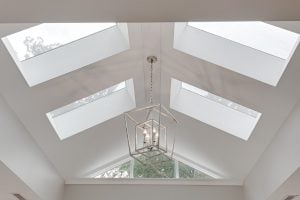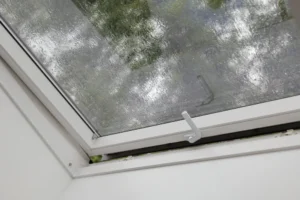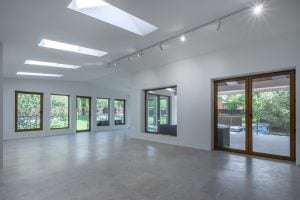
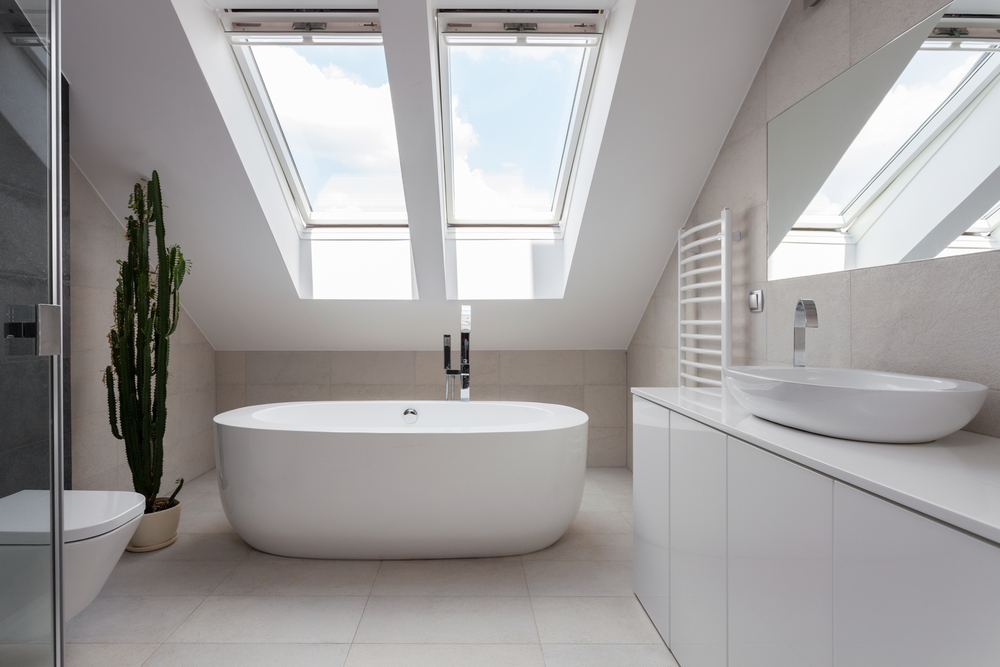
A skylight isn’t just a window to the sky—it’s an investment in your property’s comfort, energy efficiency, and aesthetic appeal. At Skydome Hunter Coast in Newcastle, we understand how transformative natural light can be in any space. Whether you’re looking to brighten your home or reduce energy costs at your workplace, choosing the right skylights in Newcastle can make a significant difference.
In this guide, we’ll walk you through the factors that should guide your decision, from the various types of skylights—like fixed, ventilated, and tubular—to the best materials and glazing options suited for Australia’s climate. We’ll also cover installation, maintenance, and energy efficiency ratings specific to Newcastle, ensuring you make a decision that enhances both your property’s value and sustainability.
Key Factors to Consider When Selecting the Perfect Skylight
Choosing the right skylight for your home or commercial space in Newcastle can elevate your property’s ambience, energy efficiency, and appeal. At Skydome Hunter Coast, we understand the complexity of choosing a skylight, and we’re here to help guide your decision-making process.
1. Purpose and Functionality
When choosing a skylight, start by considering its primary purpose: Is it to bring in more natural light, improve ventilation, or add an aesthetic feature? Understanding the purpose of the skylight will help you choose the right type.
- Natural Light
- Ideal for living rooms, offices, or any space that needs abundant daylight.
- Larger skylights or multiple smaller ones can help maximise light intake.
- Consider the sun’s path to determine the best position and maximise daylight exposure.
- Ventilation
- Perfect for areas like kitchens, bathrooms, or laundry rooms where moisture buildup is common.
- Ventilated skylights can be operated manually or automatically to enhance airflow and reduce humidity.
- Aesthetic Enhancement
- Ideal for purely aesthetic purposes, such as creating a feature skylight to complement your interior design.
- Unique shapes and custom designs can enhance your home or office’s architectural style.
2. Skylight Types
Several skylight types are available, each designed to suit different needs. Understanding these options helps you make an informed decision.
- Fixed Skylights
- Non-operable, ideal for increasing natural light without the need for ventilation.
- Cost-effective and perfect for areas that don’t require ventilation.
- Ventilated Skylights
- Designed to open and allow fresh air in, combining light and airflow.
- Suitable for humid areas like kitchens and bathrooms.
- Tubular Skylights
- Compact and ideal for spaces with limited roof access, such as small hallways, bathrooms, or closets.
- Uses reflective tubes to channel sunlight into confined spaces, with minimal roof modification required.
- Custom Skylights
- Tailored to suit specific design needs or unique architectural features.
- Great for spaces requiring a signature look or particular lighting characteristics.
3. Material and Glazing Options
The material and glazing of your skylight affect its durability, energy efficiency, and light transmission. Consider the following:
- Glazing Materials
- Glass Glazing: Offers clear visibility and durability, with coatings to control heat and UV exposure.
- Acrylic or Polycarbonate Glazing: Impact-resistant, ideal for areas prone to extreme weather conditions.
- Coatings and Treatments
- Low-E Coatings: Improve insulation, reduce heat transfer, and increase energy efficiency.
- Tinted or Reflective Coatings: Help control glare and heat gain, ideal for skylights exposed to direct sunlight.
4. Energy Efficiency
Energy efficiency is a crucial factor for properties in Newcastle, where temperatures can fluctuate. Ensuring your skylight has adequate energy-saving features helps maintain comfort and reduce utility costs.
- Insulation
- Opt for skylights with strong insulation to prevent heat loss in winter and heat gain in summer.
- Thermal breaks and insulated glazing help optimise performance.
- U-Factor and Solar Heat Gain Coefficient (SHGC)
- A low U-Factor improves insulation by reducing heat loss.
- A balanced Solar Heat Gain Coefficient (SHGC) allows for heat gain when needed, depending on the season and climate.
5. Installation Considerations
Proper installation is key to the performance and longevity of your skylight. Ensure that the skylight is positioned correctly and installed in line with your roof’s structure.
- Placement and Orientation
- North-facing skylights provide steady daylight throughout the day, while south-facing skylights may require shading to avoid heat gain during summer.
- Roof Structure and Design
- Ensure your roof is compatible with the skylight type you choose, considering factors like slope and material.
- Professional installation will prevent leaks and structural issues.
- Compliance and Regulations
- Check local building codes in Newcastle to ensure your skylight installation complies with necessary standards.
6. Maintenance and Warranty
Regular maintenance ensures your skylight stays in top condition, and a good warranty offers peace of mind.
- Ease of Maintenance
- Consider skylights with self-cleaning glazing or designs that make cleaning easier.
- Warranty
- Look for skylights backed by a solid warranty, protecting you from potential defects and damage.
Skylight Options Tailored to Different Property Types and Needs
Selecting the right skylight for your property requires considering its specific characteristics and requirements. Different property types demand unique skylight solutions to optimise performance, aesthetics, and energy efficiency. Below, we explore various skylight options and how they can be tailored to meet the needs of different property types.
Residential Properties
- Fixed Skylights
- Ideal for areas needing constant daylight, such as living rooms, hallways, and stairwells.
- Non-operable design for simplicity and cost-effectiveness.
- Sealed construction enhances energy efficiency by minimising air leakage.
- Australian Context: Perfect for homes in areas like Newcastle, where natural light can reduce the need for artificial lighting, especially in winter months.
- Ventilating Skylights
- Best for moisture-prone areas like kitchens, bathrooms, and laundry rooms.
- Can be manually or electronically operated to enhance airflow.
- Helps reduce humidity, improve indoor air quality, and prevent mould growth.
- Australian Context: Essential for homes in humid coastal areas where ventilation can be a challenge.
- Tubular Skylights
- Compact and ideal for spaces with limited roof access or where traditional skylights might not work.
- Use reflective tubes to channel sunlight into smaller or enclosed spaces such as closets, pantries, or bathrooms.
- Easy to install with minimal roof modifications.
- Australian Context: Great for apartment living or urban homes in Sydney where roof access might be limited.
Commercial Properties
- Dome Skylights
- Curved design maximises light diffusion, brightening large spaces like retail stores, lobbies, and office buildings.
- Durable and low-maintenance, ideal for large-scale installations.
- Australian Context: Perfect for commercial properties in cities like Melbourne or Brisbane, where natural light can boost productivity and attract customers.
- Custom Skylights
- Tailored to fit unique roof shapes or enhance interior aesthetics.
- Ideal for businesses seeking a signature design or specific lighting needs.
- Australian Context: Perfect for commercial buildings in areas like the Gold Coast or Sydney that want to incorporate their brand identity into the architecture.
- Solar-Powered Skylights
- Equipped with solar panels to power the opening/closing mechanism, reducing electricity usage.
- Great for environmentally conscious businesses looking to reduce their carbon footprint.
- Australian Context: Excellent for businesses aiming to achieve green certifications, especially in areas with high sun exposure like Perth and Queensland.
Industrial Properties
- Industrial Rooflights
- Provide vast amounts of light for large spaces such as warehouses and factories.
- Uniform daylighting reduces the need for artificial lighting during daylight hours.
- Designed to withstand harsh industrial conditions.
- Australian Context: Ideal for large industrial spaces in areas like Adelaide and Newcastle, where consistent lighting can improve worker productivity and reduce energy costs.
- Fire-Rated Skylights
- Made with fire-resistant materials to prevent the spread of flames and smoke.
- Essential for compliance with fire safety regulations while still allowing for natural light.
- Australian Context: Particularly important in industrial properties in bushfire-prone areas like parts of Victoria and New South Wales.
Heritage and Historic Buildings
- Conservation Skylights
- Designed to blend seamlessly with the traditional architecture of heritage-listed buildings.
- Offers modern benefits like improved lighting and energy efficiency without compromising the aesthetic integrity.
- Australian Context: Crucial for preserving the heritage of iconic Australian buildings, such as those in Sydney’s Rocks district or Melbourne’s heritage precincts.
- Low-Profile Skylights
- Minimalistic design ensures the skylight doesn’t detract from the original building’s character.
- Provides natural light and enhanced energy efficiency without compromising the historic look.
- Australian Context: Perfect for older properties in historic areas like Hobart, where maintaining the building’s original appearance is paramount.
Different property types require unique skylight solutions. Whether it’s a residential, commercial, or industrial property, there’s a skylight option that will best suit your needs.
At Skydome Hunter Coast, we’re dedicated to helping you find the perfect skylight that aligns with your goals. Our expert team is ready to provide advice, design solutions, and installation services tailored to your specific property.
Let us help you brighten your space—contact us today to explore the best skylight options for your property!